5 Anime That Ended With a Movie Adaptation of Their Final Arc
In general, anime films tend to focus on side stories or non-canon adventures. This is considered a safer approach, as not every anime fan is willing to watch a movie just to follow the main storyline. Standalone films also allow studios to attract casual audiences without forcing them to catch up on hundreds of episodes.
Even so, there are certain series that dared to close their stories on the big screen, turning their final arcs into theatrical releases. For fans, this can feel both exciting and nerve-wracking, since missing the movie means missing the actual ending. Still, ending a series with a film often makes the conclusion more memorable and cinematic.
Here are five anime whose final arcs were adapted into movies:
1. Gintama – Gintama: The Very Final
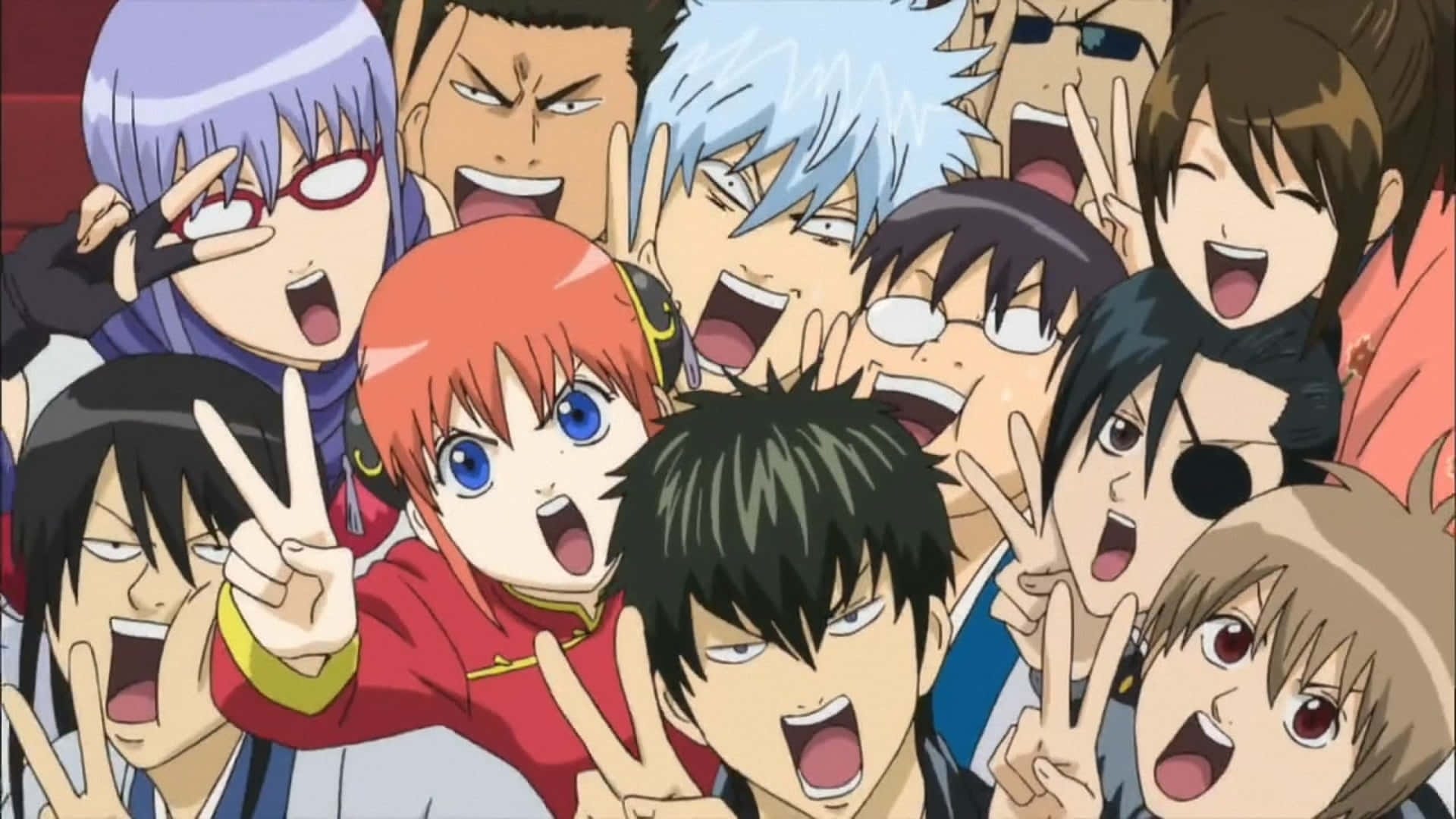
After running for an impressive 367 episodes, Gintama wrapped up its story through a feature film. Many fans initially thought the series had already ended with Gintama: The Final Chapter – Be Forever Yorozuya. But the true conclusion came later with Gintama: The Very Final, released in 2021.
The film depicts the ultimate battle against Utsuro, with Gintoki reuniting with Takasugi and Katsura to defeat their former teacher. Unlike its many comedic detours, this movie brought the story to a serious, emotional close. Since it also shows the aftermath of Utsuro’s defeat, The Very Final is widely accepted as the definitive ending of Gintama.
2. Demon Slayer: Kimetsu no Yaiba – Infinity Castle Trilogy
Since its debut in 2019, Demon Slayer has become one of the most successful anime worldwide. After years of captivating fans, the series has finally reached its climactic Infinity Castle Arc. In this storyline, Muzan lures the Demon Slayer Corps into his fortress for an all-out war.
Instead of adapting this arc into a standard season, studio ufotable took a bold step: turning it into a trilogy of theatrical films. The first part premiered on July 18, 2025, and showcased the beginning of the decisive battle. Fans can expect the following installments to deliver a high-budget, cinematic conclusion unlike anything the TV series could provide.
3. Neon Genesis Evangelion – The End of Evangelion
Few endings in anime history have been as debated as Neon Genesis Evangelion’s. Its final two episodes shocked viewers by focusing on protagonist Shinji’s inner psyche rather than resolving the story. Many found the ending confusing and unsatisfying.
Responding to fan criticism, creator Hideaki Anno released The End of Evangelion in 1997, just a year after the TV series ended. The film provided a true conclusion, depicting the apocalyptic events that close out the series. Today, it remains both a cult classic and one of the most influential anime films ever made.
4. Violet Evergarden – Violet Evergarden: The Movie
Kyoto Animation’s Violet Evergarden aired in 2018 with just 13 episodes, but it left a lasting impression on viewers. The story follows Violet, a child soldier struggling to understand emotions after the war. Her journey of self-discovery resonated deeply with fans.
In 2020, the studio released Violet Evergarden: The Movie, which gave the series a heartfelt and emotional conclusion. The film explores Violet’s final steps toward healing and her long-awaited reunion with Gilbert. For many fans, it was a beautiful and satisfying farewell.
5. Mushishi – Mushishi Zoku Shou: Suzu no Shizuku
Mushishi, first released in 2005, is a contemplative series about Ginko, a wanderer who helps people afflicted by mysterious creatures called Mushi. While the series included many episodic tales, its main story was relatively short.
The final arc was adapted into the 2015 film Mushishi Zoku Shou: Suzu no Shizuku. Continuing from the second season, the movie focused on Ginko uncovering the truth behind a mysterious girl named Kaya. With its serene atmosphere and thoughtful storytelling, the film was a fitting conclusion to the series.
Final Thoughts
While not every anime ends with a film, those that do often leave a strong impression. A movie format allows studios to deliver higher-quality visuals, epic soundtracks, and emotional finales that feel larger than life. For fans, watching these endings in theaters makes the conclusion feel like a true event.

